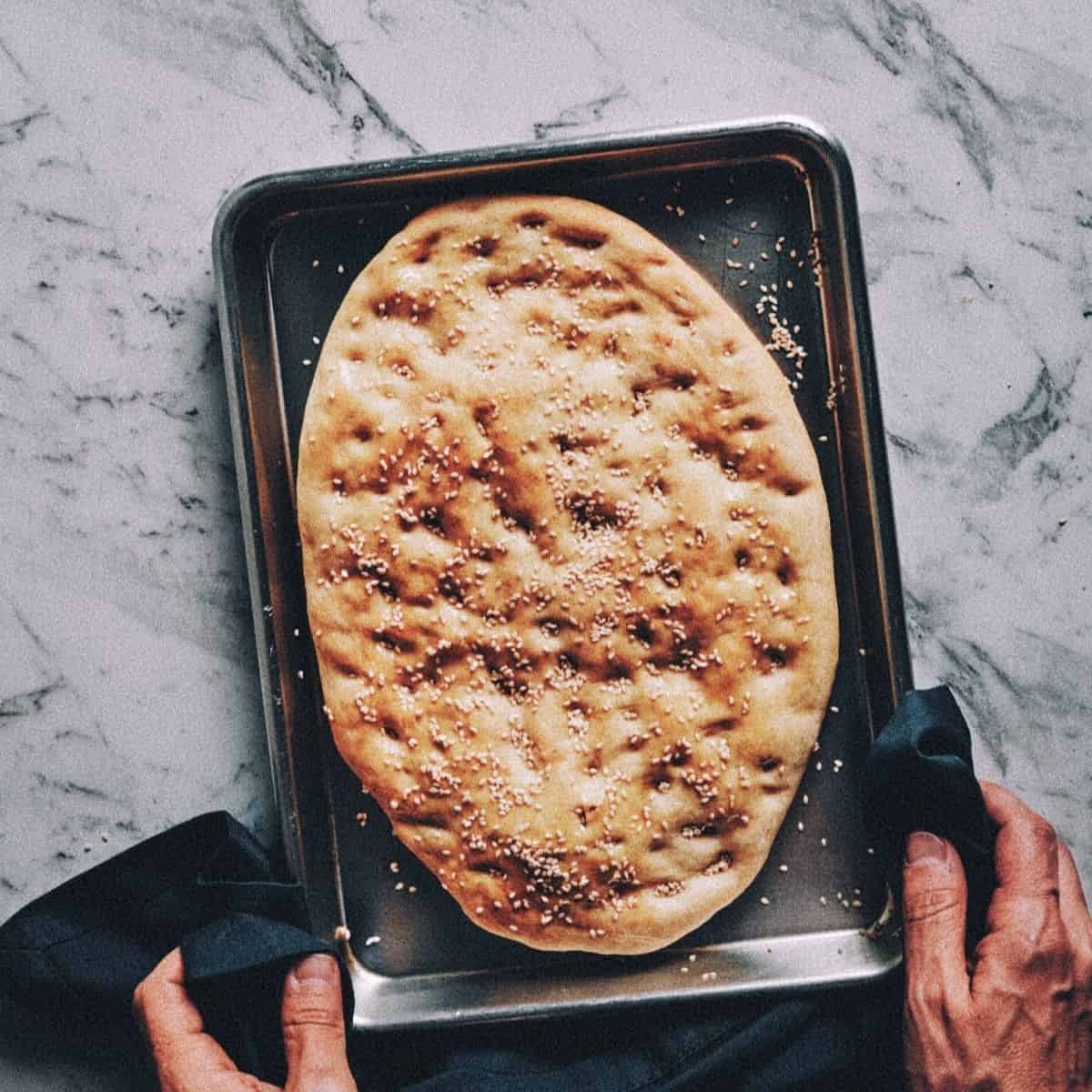
Lagana: A Greek Flatbread Rooted in Lenten Tradition
The culinary landscape of Greece is rich with history, tradition, and flavors that speak of sun-drenched landscapes and ancient rituals. Among its many gastronomic treasures, **Greek flatbreads** hold a special place, each telling a unique story. Perhaps none is as poignant and culturally significant as Lagana. This distinctive **Greek flatbread** is not merely a delicious accompaniment to a meal; it is a profound symbol, inextricably linked to the observance of Lent within the Greek Orthodox tradition.
Lagana emerges from the oven each year on Kathari Deftera, or "Clean Monday," marking the official commencement of the Great Lent. This pivotal day signals a period of spiritual reflection, purification, and often, fasting, leading up to the joyous celebration of Easter Sunday. For 40 days, many Orthodox Christians abstain from meat, dairy, and sometimes even olive oil, embracing a diet of Lenten foods. Lagana, by its very nature, perfectly embodies the spirit of this fasting period. Traditionally, it is an unleavened bread, made without yeast, which gives it a denser, chewier texture compared to its more airy counterparts. This absence of leavening is symbolic, mirroring the simplicity and humility expected during Lent. However, modern adaptations often incorporate a touch of yeast to achieve a slightly lighter crumb, while still retaining its iconic texture and shape.
Topped generously with sesame seeds and often boasting an irregular, elongated oval shape, Lagana’s rustic charm is undeniable. It's a humble bread that carries immense spiritual weight, signifying a cleansing of both body and soul as the faithful embark on their Lenten journey. It’s a taste of history, a bite of tradition, and a warm embrace of Mediterranean simplicity that transcends mere sustenance.
The Culinary Tapestry of Greek Flatbreads: More Than Just Bread
While Lagana holds a specific ceremonial role, it is part of a broader family of **Greek flatbreads** that represent a culinary treasure deeply rooted in Mediterranean tradition. These versatile dough rounds carry centuries of gastronomic heritage within their soft, often pillowy texture. They are a delightful canvas for countless flavor combinations, transforming simple ingredients into extraordinary experiences. Imagine the delicate layers and nuanced character of these breads, rich with aromatic herbs and generously brushed with golden olive oil. No ordinary bread could quite compete with their ability to elevate every meal.
Mediterranean kitchens have long celebrated these humble yet magnificent creations that gracefully dance between rustic charm and elegant simplicity. Each bite offers a connection to ancient cooking techniques and the vibrant culture of Greece. The essence of these **Greek flatbreads** lies in their light, fresh, and full-flavored profile, capturing the very soul of Mediterranean cuisine with minimal ingredients and maximum impact.
What makes **Greek flatbreads** truly remarkable is their incredible flexibility. Beyond traditional recipes, they offer home cooks a fantastic opportunity to customize with ease. You can swap ingredients, experiment with toppings, or add personal touches while always maintaining that delicious, fundamental Mediterranean character. Whether you’re seeking a speedy yet gourmet meal solution for a busy weeknight or planning a spontaneous gathering, many **Greek flatbread** recipes can be ready in a surprisingly short time, some even in just 20 minutes from start to finish. For inspiration on versatile flatbreads perfect for any occasion, explore
Mastering Greek Flatbreads: Customizable Recipes for Mediterranean Flavor, and for quick culinary solutions, don't miss
Quick & Tasty Greek Flatbreads: 20-Minute Mediterranean Delight.
Unveiling the Simplicity: How to Make Lagana, The Traditional Greek Flatbread
Crafting your own Lagana is a wonderfully rewarding experience, connecting you directly to this ancient tradition. The process celebrates the simplicity of ingredients, transforming basic flour and water into a meaningful and delicious **Greek flatbread**. While the original tradition dictates an unleavened bread, many contemporary recipes, for ease and a slightly lighter texture, include a small amount of yeast. We'll focus on the principles that make Lagana distinct, whether you opt for yeast or not.
Essential Ingredients for Authentic Lagana:
To make this beloved **Greek flatbread**, you'll typically need:
- All-Purpose or Bread Flour: The foundation of any good bread. Some recipes might include a small percentage of semolina for a slightly coarser texture and richer flavor.
- Water: Lukewarm, to activate yeast if using, or just cold for unleavened versions.
- Yeast (Optional but Common): A small amount of active dry yeast for a slightly airier result, diverging slightly from the strictest unleavened tradition.
- Olive Oil: High-quality extra virgin olive oil is crucial, both in the dough and for brushing the surface, contributing to flavor and a golden crust.
- Salt: To enhance all the flavors.
- Sesame Seeds: The signature topping, providing a delightful crunch and nutty aroma.
Step-by-Step Preparation:
The beauty of Lagana lies in its straightforward approach.
- Prepare the Dough: If using yeast, dissolve it in lukewarm water with a pinch of sugar (optional, to help yeast activate). In a large bowl, combine flour and salt, then gradually add the liquid and a generous drizzle of olive oil. Mix until a shaggy dough forms.
- Knead to Perfection: Turn the dough onto a lightly floured surface and knead for about 10-15 minutes until it's smooth, elastic, and no longer sticky. If you're going for the traditional unleavened version, this kneading is particularly important to develop gluten. If using yeast, let it rest in a lightly oiled bowl, covered, for about an hour or until doubled in size.
- Shape the Characteristic Oval: Gently punch down the risen dough (if applicable) and divide it into two or three equal portions. On a lightly floured or cornmeal-dusted surface (cornmeal can help prevent sticking and add a touch of crispiness to the base), stretch and roll each portion into an elongated oval, roughly 12x4 inches, or a rustic, irregular shape – Lagana isn't meant to be perfectly uniform.
- Dimple and Dress: Place the shaped dough onto a baking sheet (lightly greased and dusted with cornmeal, if desired). Using your fingertips, create distinct dimples across the entire surface of each flatbread. This not only gives Lagana its iconic appearance but also helps prevent it from puffing up too much during baking. Brush generously with olive oil and then sprinkle liberally with sesame seeds.
- Bake to Golden Perfection: Preheat your oven to a high temperature (around 450°F / 230°C). Slide the baking sheet into the preheated oven and bake for 15-20 minutes, or until the Lagana is beautifully golden brown, aromatic, and cooked through. The high heat helps achieve a lovely crust while keeping the interior tender.
The aroma filling your kitchen will be pure Mediterranean magic, a promise of the deliciousness to come.
Savoring Lagana: Traditional Pairings and Modern Twists
Lagana is at its best when enjoyed warm, fresh from the oven, offering a delightful chewiness and the earthy crunch of sesame seeds. On Clean Monday, it is traditionally served with a specific array of Lenten dishes that create a harmonious balance of flavors and textures.
The most famous accompaniment is **Taramasalata**, a creamy, savory dip made from salted and cured fish roe (often cod or carp), olive oil, lemon juice, and usually breadcrumbs or mashed potatoes. Its vibrant, salty tang is the perfect counterpoint to the subtle sweetness and richness of the Lagana. Another traditional Lenten pairing is **halva**, a sweet, dense confection made from semolina or tahini (sesame paste), often flavored with vanilla, chocolate, or nuts. This sweet treat provides a comforting finish to the Clean Monday meal, adhering to the Lenten principles while still offering a delightful indulgence.
Beyond these staples, Lagana is typically surrounded by an assortment of Lenten-friendly dishes. Think briny black olives, tart pickled vegetables, refreshing seafood salads (such as octopus or calamari), and crisp, fresh salads dressed simply with olive oil and lemon. These vibrant flavors cleanse the palate and perfectly complement the robust simplicity of the **Greek flatbread**.
While Lagana’s primary role is deeply traditional, its deliciousness transcends its ceremonial function. It can be enjoyed any time of year as a versatile base for various toppings. Imagine using it to scoop up rich hummus or vibrant tzatziki. For a more substantial snack or light meal, while stepping away from strict Lenten guidelines, you could lightly toast slices and top them with roasted vegetables, a sprinkle of feta cheese (though not Lenten), or even a simple fresh tomato and herb mixture, reminiscent of other popular **Greek flatbread** preparations. The beauty of **Greek flatbreads** is their inherent adaptability, allowing them to be a part of both ancient customs and contemporary culinary explorations.
Embracing the Mediterranean Spirit with Every Bite of Greek Flatbread
Lagana, this iconic **Greek flatbread**, is far more than just a bread; it's a testament to resilience, tradition, and the enduring power of simple, honest ingredients. It embodies the very heart of Mediterranean cuisine – flavors that are clean, fresh, and deeply satisfying, echoing the sun-drenched landscapes from which they originate. Whether you observe Lent or simply appreciate the beauty of culturally rich food, preparing and savoring Lagana offers a unique opportunity to connect with a profound culinary and spiritual heritage. It’s an invitation to pause, appreciate the journey from humble ingredients to a magnificent meal, and experience a truly authentic taste of Greece. Embrace the warmth, the aroma, and the history embedded in every delicious bite of this remarkable **Greek flatbread**.