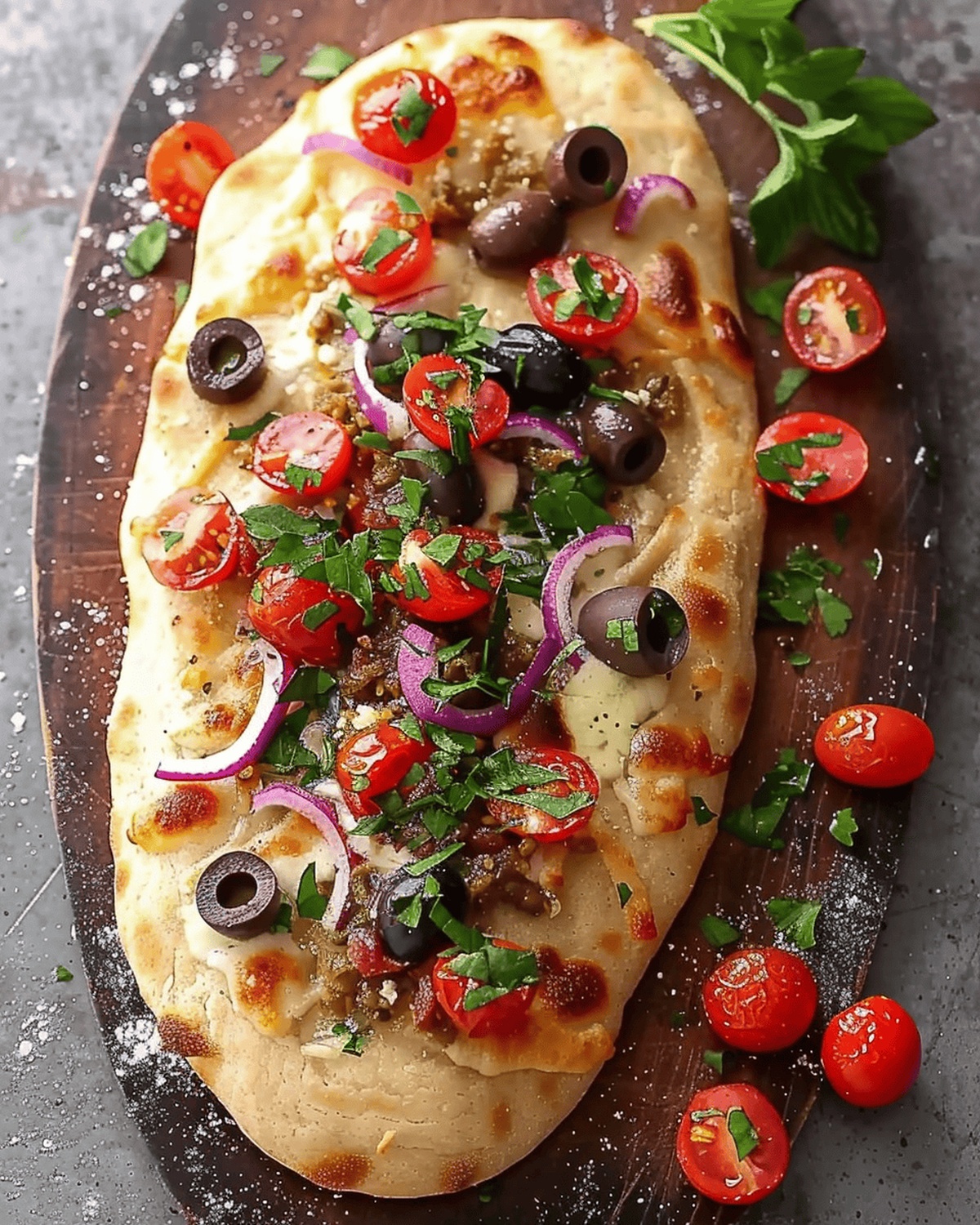
Mastering Greek Flatbreads: A Culinary Journey to the Mediterranean
Few dishes encapsulate the vibrant spirit and rich heritage of Mediterranean cuisine quite like the humble yet magnificent greek flatbread. These versatile dough rounds are more than just bread; they are a culinary canvas, deeply rooted in centuries of gastronomic tradition, ready to be adorned with an array of exquisite flavors. With their soft, often pillowy texture, generously brushed with golden olive oil and infused with aromatic herbs, greek flatbreads effortlessly transform simple ingredients into an extraordinary dining experience. They boast a delicate layering and nuanced character that sets them apart, promising a direct connection to sun-drenched landscapes and time-honored cooking techniques with every delightful bite.
In Mediterranean kitchens, these creations are celebrated for their ability to dance between rustic charm and elegant simplicity. Whether you're seeking a quick weeknight solution, an impressive appetizer for friends, or a delightful accompaniment to any meal, the inherent flexibility of a greek flatbread recipe makes it a truly indispensable addition to your repertoire. Prepare to unlock a world of flavor, where customization is king and deliciousness is guaranteed.
Customizing Your Greek Flatbread Experience: A World of Flavors
The true magic of greek flatbreads lies in their incredible adaptability. While they capture the essence of Mediterranean cuisine with minimal ingredients and maximum flavor, transporting your taste buds to the sunny shores of Greece, their real power is in how easily they can be customized. Home cooks are empowered to swap ingredients, add personal touches, and innovate, all while maintaining that delicious, fundamental Mediterranean profile. This makes them perfect for busy families, spontaneous gatherings, or simply when you want to get creative in the kitchen.
Essential Ingredients for a Stellar Greek Flatbread Base
Creating the perfect foundation for your flatbread adventure begins with a few key components. The quality of these core ingredients will significantly impact the final taste and texture:
- Prepared Dough: The cornerstone of any great flatbread is its dough. A soft, stretchy base is paramount. While store-bought pizza dough or even naan dough can serve as a convenient starting point, don't shy away from making your own if time allows for an even fresher taste. Look for doughs that are pliable and easy to work with, ready to be shaped into elegant ovals.
- High-Quality Olive Oil: This isn't just for greasing; it's a flavor enhancer. Brushing your dough generously with a good extra virgin olive oil before baking not only helps achieve that desirable golden crust but also infuses the flatbread with a rich, fruity aroma that is distinctly Mediterranean.
- Cornmeal: A sprinkle of cornmeal on your baking sheet serves a dual purpose. It acts as a non-stick agent, preventing your delicate dough from adhering to the pan, and perhaps more importantly, it imparts a wonderfully crispy texture to the bottom of the flatbread, adding an extra layer of culinary delight.
- Aromatic Herbs: While fresh parsley is a common choice for its bright, clean flavor and visual appeal, don't hesitate to experiment with other Mediterranean staples. A touch of dried oregano, fresh thyme, or even a hint of rosemary can elevate the base flavor of your dough before any toppings are added.
A World of Toppings: Beyond the Basics
Once you have your perfected flatbread base, the real fun begins. The possibilities for toppings are virtually endless, allowing you to tailor your creation to any palate or occasion. Here are some ideas, building on the classic combination:
- Spreads & Bases:
- Artichoke Tapenade: A rich and tangy spread, as suggested in the classic recipe, it provides an instant burst of Mediterranean flavor.
- Other options: Consider olive tapenade, a vibrant pesto, creamy hummus, a simple crushed tomato sauce, or even a layer of cooling tzatziki post-bake.
- Cheeses:
- Fontina Cheese: Creamy and mild, fontina melts beautifully and adds a luxurious texture.
- Other options: Crumbled feta offers a salty tang, halloumi adds a delightful squeaky texture, fresh mozzarella for classic melt, or sharp goat cheese for a more pungent profile.
- Vegetables & Fresh Accents:
- Cherry Tomatoes: Sweet and juicy, halved cherry tomatoes provide bright color and a fresh burst.
- Black Olives: Salty and briny, sliced black olives (Kalamata are ideal) are a classic Mediterranean touch.
- Red Onion: Thinly sliced red onion rings offer a crisp texture and a slight, piquant bite.
- Other options: Roasted red peppers, thinly sliced zucchini, fresh spinach (wilts beautifully), sun-dried tomatoes, or even capers for an extra salty kick.
- Proteins (Optional):
- For a heartier flatbread, consider adding grilled chicken strips, thinly sliced lamb, cooked shrimp, or even a scattering of anchovies for a bolder, umami flavor.
- Finishing Touches:
- A final sprinkle of fresh dill or mint, a drizzle of balsamic glaze, a squeeze of fresh lemon juice, or a dusting of crushed red pepper flakes can provide that perfect flourish.
Crafting Your Perfect Greek Flatbread: A Step-by-Step Guide
Making fresh and soft greek flatbreads is a surprisingly simple process that yields incredibly rewarding results. Follow these steps to achieve golden perfection in your own kitchen.
Preparation is Key: Oven and Sheet Setup
- Preheat the Oven: Begin by preheating your oven to a high temperature, typically around 450°F (230°C). A hot oven is crucial for achieving a beautifully crisp crust and a quickly cooked flatbread.
- Prepare the Baking Sheet: Lightly grease a baking sheet to prevent sticking, then generously dust it with cornmeal. This layer of cornmeal isn't just practical; it contributes significantly to the delightful crispy texture of the base. Ensure an even coating.
Shaping and Priming the Dough
- Shape the Dough: Gently roll and stretch your prepared dough into desired shapes – traditional ovals measuring approximately 12x4 inches work wonderfully. Handle the dough with care to maintain its softness and elasticity.
- Brush with Olive Oil: Before adding any toppings, lightly brush the surface of each shaped flatbread with high-quality olive oil. This step is vital for developing flavor and encouraging that irresistible golden-brown crust during baking. Carefully place the primed flatbreads on your prepared baking sheet.
Layering the Mediterranean Flavors
- Layer the Artichoke Base: Spread a generous, even layer of your chosen base, such as artichoke tapenade, across the entire surface of each flatbread. This provides a flavorful foundation.
- Add the Cheese: Sprinkle your chosen cheese, like Fontina, evenly over the tapenade. Ensure good coverage so every bite gets a taste of that creamy, melted goodness.
The Art of Topping and Baking
- Decorate with Fresh Toppings: Now comes the artistic part! Arrange your fresh toppings attractively. For instance, dot the flatbreads with halved cherry tomatoes, scatter sliced black olives, and artfully place thin rings of red onion. The key is even distribution for balanced flavor and visual appeal.
- Bake to Golden Perfection: Carefully slide the baking sheet into the preheated oven. Bake for approximately 8-12 minutes, or until the crust is golden brown and crispy, and the cheese is bubbly and melted. Keep a close eye on them, as baking times can vary slightly depending on your oven and the thickness of your dough. Once done, remove from the oven and garnish with fresh parsley or other desired herbs before slicing and serving immediately.
Lagana: A Glimpse into Traditional Greek Flatbreads
While often enjoyed as a versatile, everyday delight, the world of greek flatbreads also encompasses deeply traditional varieties with significant cultural meaning. One such example is Lagana, a revered traditional greek flatbread specifically made to celebrate Kathari Deftera, or "Clean Monday," marking the first day of Lent in the Greek Orthodox tradition.
Lagana is characterized by its light, airy texture and is typically topped with sesame seeds. Traditionally, it is an unleavened bread, made without yeast, symbolizing purity as families prepare for the Lenten period, which lasts for 40 days and culminates in Easter Sunday celebrations. During this time, many choose to fast, abstaining from meat and dairy products, making Lagana a perfect Lenten food. It’s customarily served with taramasalata (a Greek fish roe dip) and often accompanied by semolina-based halva for dessert. To delve deeper into the fascinating history and significance of this special bread, explore Lagana: Unveiling Greek Flatbread's Lenten Tradition & History.
Embrace the Mediterranean Flavors in Your Kitchen
From the everyday delight of a customizable loaded flatbread to the symbolic significance of Lagana, greek flatbreads offer an incredibly diverse and satisfying culinary experience. Their versatility, ease of preparation, and profound connection to Mediterranean flavors make them a true kitchen hero. Whether you opt for a simple olive oil and herb topping or load them with a bounty of fresh ingredients, these flatbreads are guaranteed to elevate any meal, connecting you to sun-drenched shores with every bite. So, roll up your sleeves, unleash your creativity, and bring the irresistible tastes of Greece into your home. For a quick and easy start, don't miss our Quick & Tasty Greek Flatbreads: 20-Minute Mediterranean Delight recipe!
